
A working checklist for the Sathyamangalam landscape. The reserve's own management plan documents 40+ mammals, 225+ birds, 150+ tree species, 77+ herbs, 15+ amphibians and a butterfly appendix. Searchable, with IUCN status, WPA schedule and counts where counts exist — and the recovery behind those numbers is one of the fastest documented anywhere.
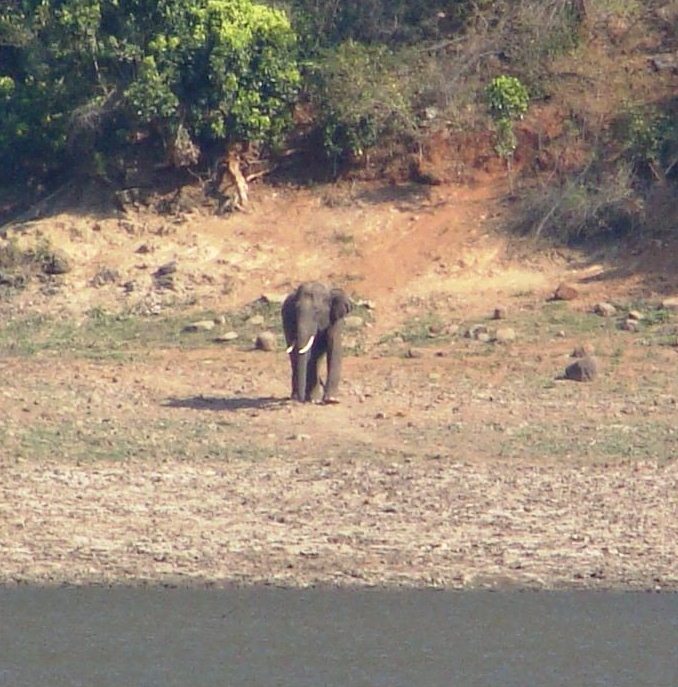
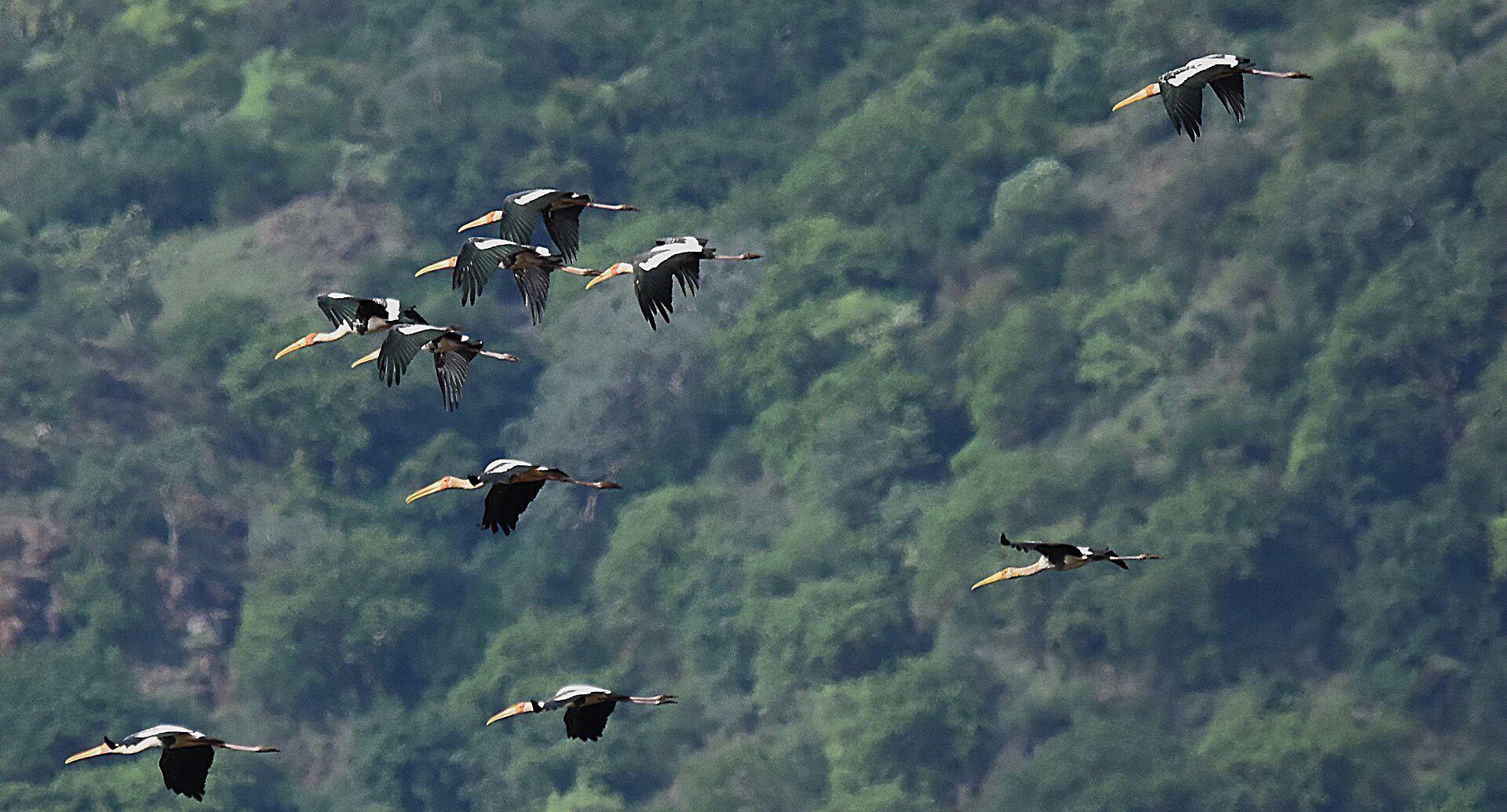
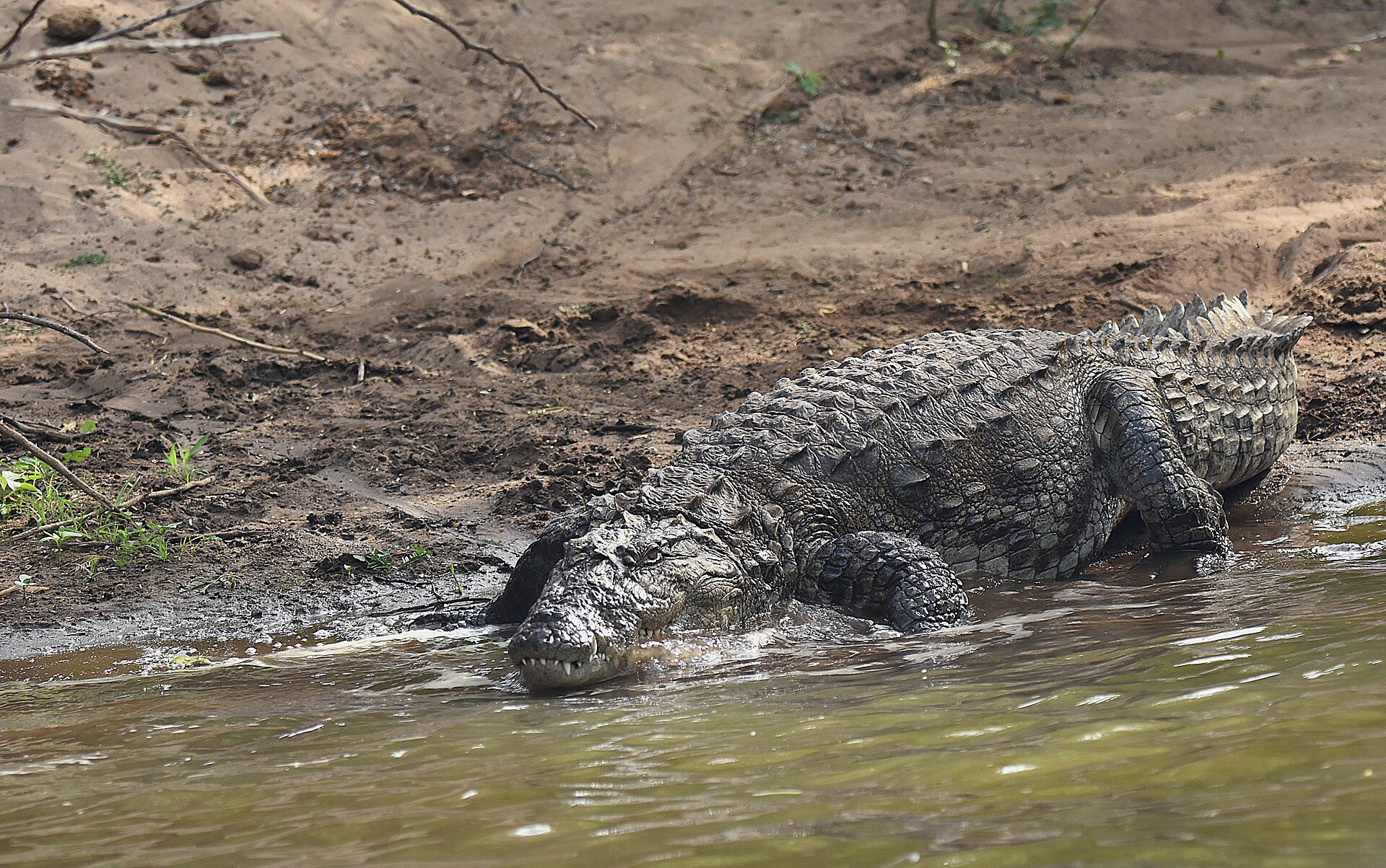
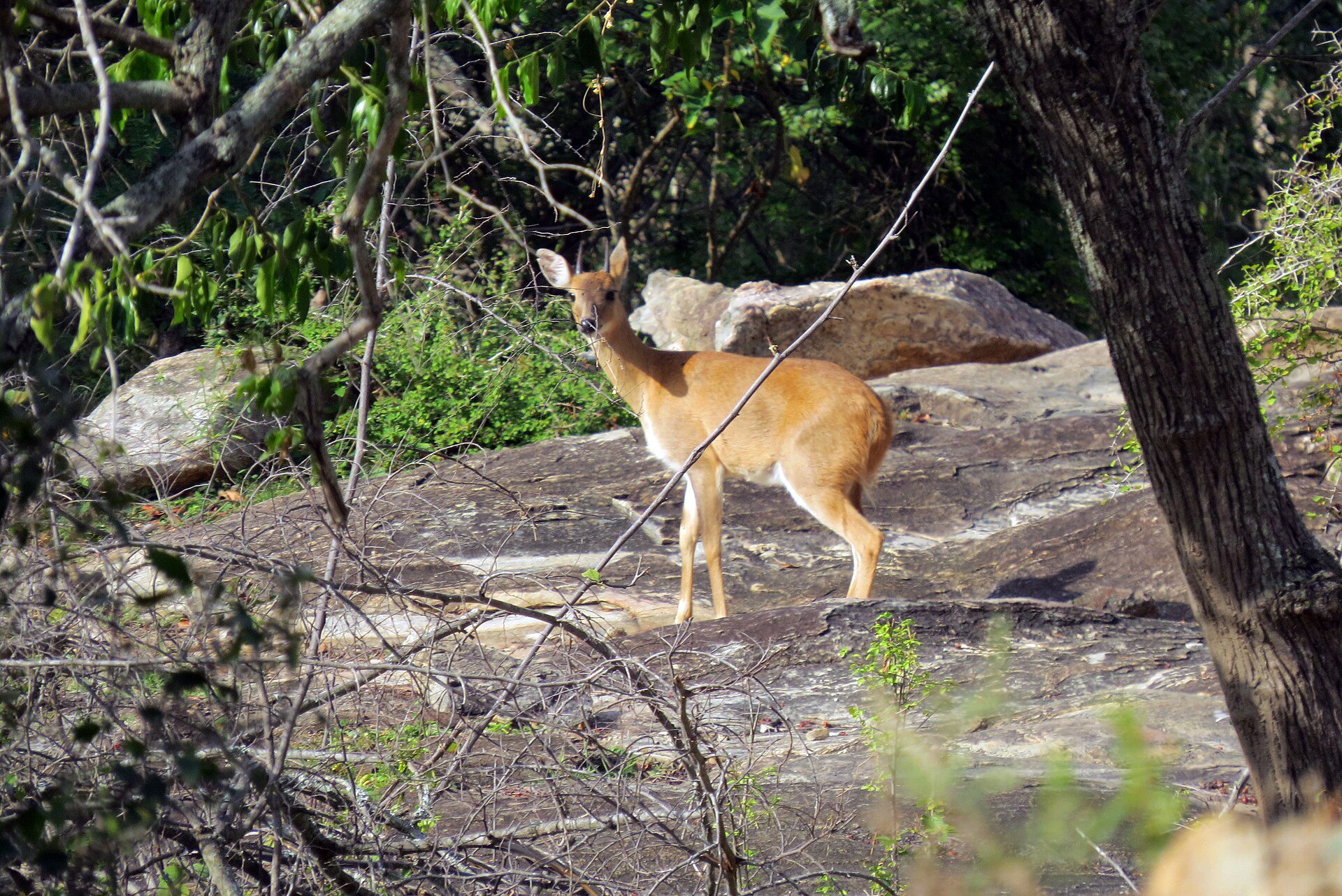
No genuine photograph of a Sathyamangalam tiger under an open licence was found during sourcing — tiger locations and sightings are deliberately underdocumented and coarse-grained for protection reasons (see the Places page). Full credits: the media credits.
Showing 0 entries. This is a curated subset of the 1,839 taxa already held in the atlas backend (92% of the 2,000-taxon target), backed by 74,180 georeferenced occurrence records from a single citable GBIF download (13 Aug 2026, doi.org/10.15468/dl.w56s6d). Reptile, amphibian, fish, invertebrate and full flora inventories are the largest remaining gaps in what's shown here — stated plainly rather than papered over. Records for tiger, elephant, leopard and other sensitive taxa are stored rounded to a 0.05° grid (~5.5 km) — all 385 sensitive records verified coarsened before publication. Non-sensitive species keep full precision.
scientificName, which
sometimes carries the authorship, instead of the canonical name. The count above is
inflated accordingly and should not be read as a species total.
Showing 0 of 0 taxa.
Source: species.json,
regenerated from atlas.db by scripts/export_from_db.py.
The 2010 management plan recorded just 8–10 tigers from CCMB Hyderabad scat DNA analysis; WWF camera traps at 35 Moyar valley locations captured six individuals regularly. Methods changed across this period — treat early figures as indicative, not directly comparable.
The left column comes from the sanctuary's own management plan; the right from the Forest Department's current published figures. No other source has put these side by side.
Senna spectabilis and Lantana camara are the reserve's fastest-moving ecological problem, and the only one with a court deadline attached. The Madras High Court ordered removal from both Mudumalai and Sathyamangalam; Tamil Nadu set a target to clear Senna from state forests by 1 October 2025.
The 2010 management plan names Prosopis juliflora and Lantana camara as the reserve's invasive threats. Senna spectabilis is not the headline. By 2024 Senna is the species under court order. That fifteen-year shift is itself a documented ecological event, and as far as we can find, nobody has written it up.
Every official figure measures hectares cleared. Nobody systematically verifies which cleared compartments are regrowing. Senna's mass yellow flowering gives a strong spectral and phenological signal, which makes this a tractable remote-sensing problem rather than a fieldwork-impossible one.
A Sentinel-2 change-detection layer keyed to that signal is being built to publish post-clearance verification openly, compartment by compartment, across the Mudumalai–Sathyamangalam–Bandipur–BRT boundary that the species reinvades across.
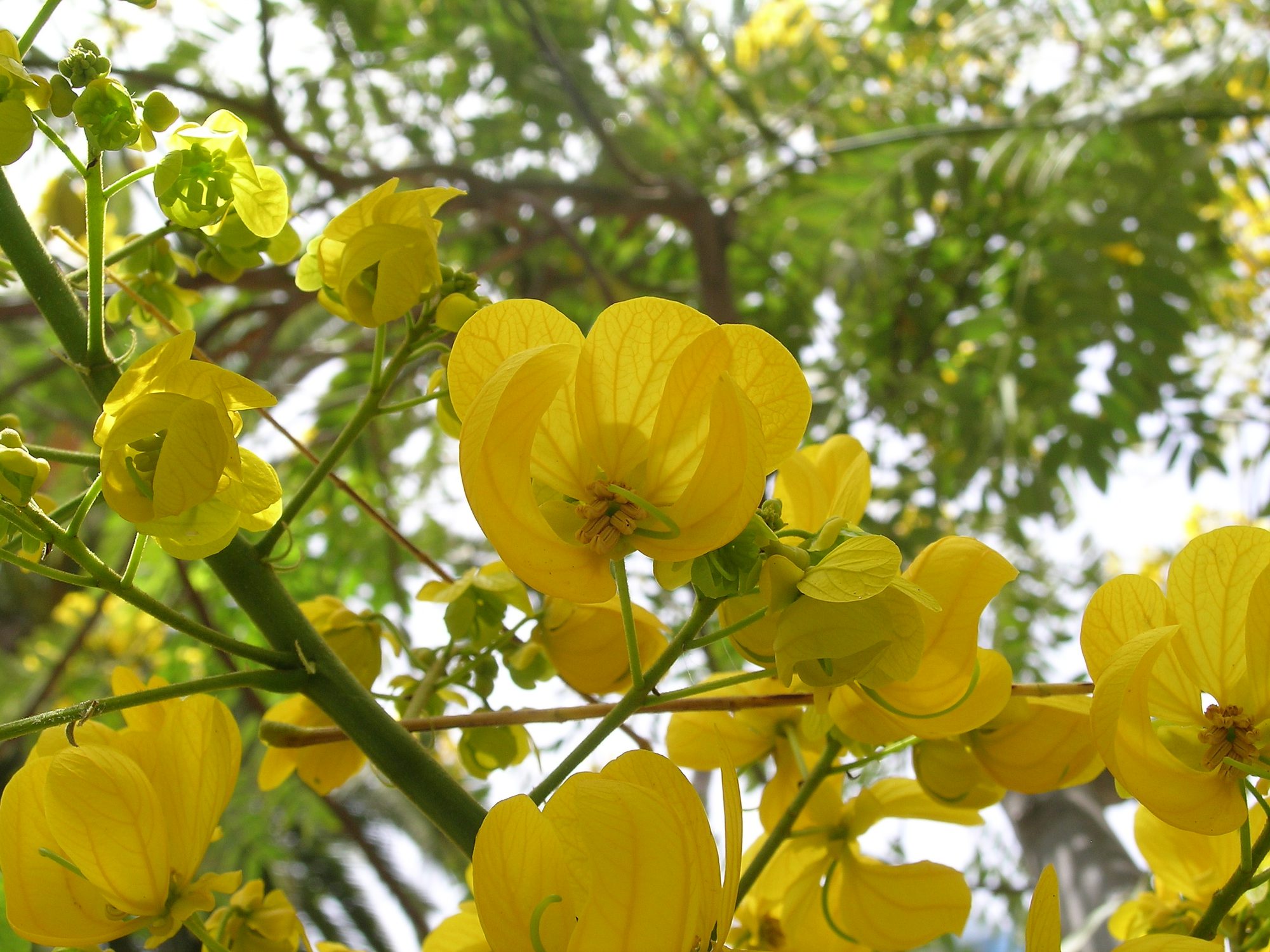
Photographed in Tenerife, Canary Islands — not this reserve. No CC-licensed photo of the bloom specific to this landscape was found. See the media credits.
Sathyamangalam is not officially designated against the UN Sustainable Development Goals — no such designation exists for individual tiger reserves. What follows is this record holding its own already-cited numbers up against SDG 15's actual target language, not a badge claimed on the reserve's behalf.
Tigers 8–10 → 112, elephants 350–450 → 651, leopards ~20 → 111 across roughly fifteen years — the recovery numbers already shown in Section 03 above, sourced to the reserve's own 2010 management plan and current Forest Department figures.
Senna spectabilis and Lantana camara clearance under a Madras High Court deadline and the TN PIPER Policy — the invasive-species program detailed in Section 04 above, including the 1 October 2025 court deadline and the 50→75 ha/month clearance rate.
Target wording: UN Statistics Division, SDG Indicators Global Database. This section maps existing, already-sourced reserve data to that wording — it does not assert a formal UN or government SDG certification for STR.
Reptile, amphibian, fish and full flora inventories remain the largest gaps in the species atlas — stated plainly rather than papered over. If you can help extract or verify records, the open data and bibliography are on Sources & Data.